
Global Perspectives on Dance Therapy
Global Perspectives on Dance Therapy
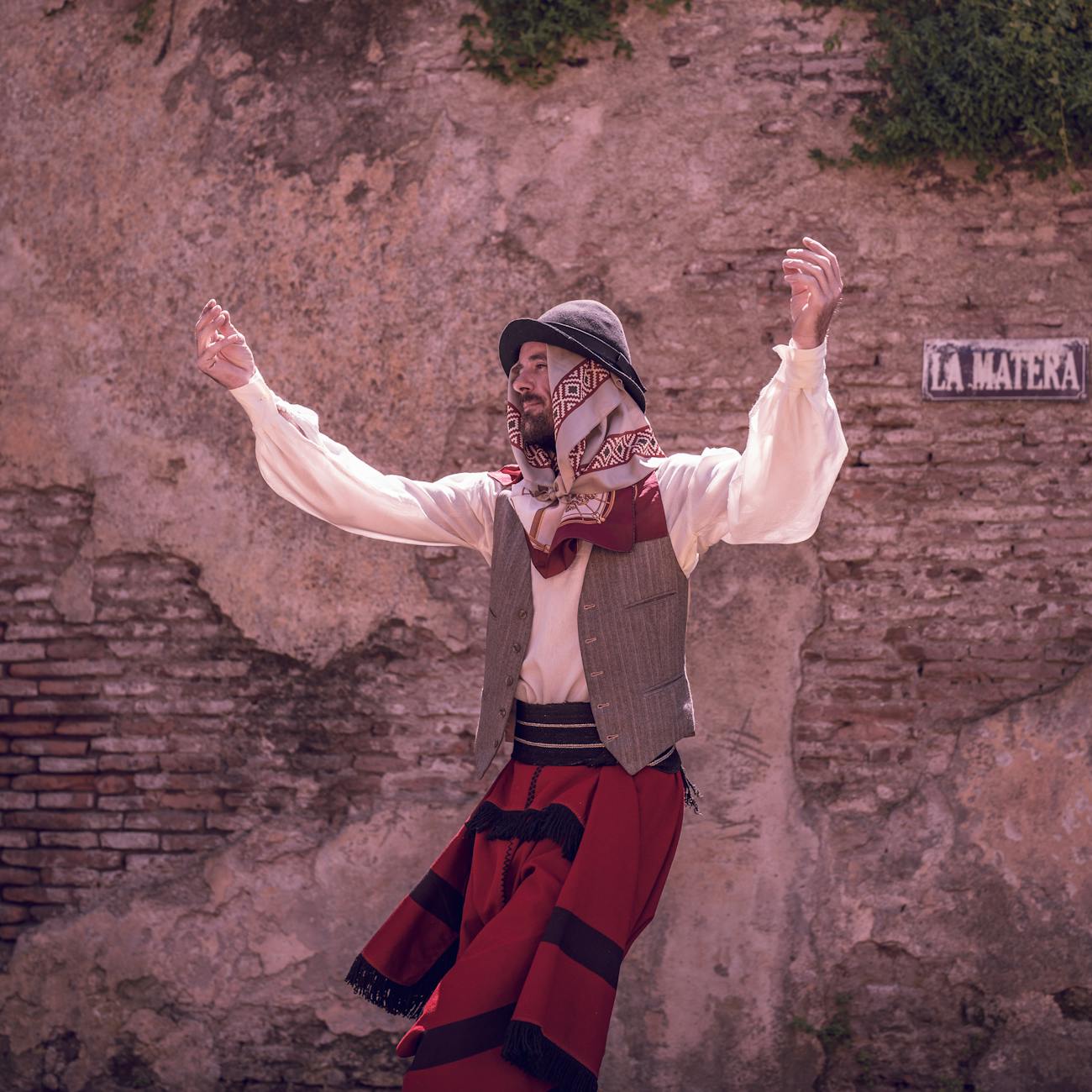
Global Perspectives on Dance Therapy
Dance therapy is a discipline that incorporates the use of movement and dance to improve physical, emotional, and mental well-being. It is a form of expressive therapy that allows individuals to explore their thoughts, feelings, and behaviors through movement. Dance therapy has gained recognition globally for its effectiveness in promoting healing, self-expression, and personal growth. In this course, we will explore the global perspectives on dance therapy and its role in promoting social change.
Key Terms and Vocabulary
Dance Therapy: Dance therapy, also known as dance movement therapy, is a form of therapy that uses movement and dance to promote emotional, cognitive, physical, and social integration of individuals. It is based on the belief that the body and mind are interconnected, and that movement can be a powerful tool for healing and self-expression.
Global Perspectives: Global perspectives refer to the diverse viewpoints and approaches to dance therapy from different cultures and regions around the world. It involves understanding how dance therapy is practiced, perceived, and integrated into various societies and communities.
Social Change: Social change refers to the transformation of societal structures, norms, and values to create a more just, equitable, and inclusive world. Dance therapy for social change focuses on using movement and dance as a catalyst for addressing social issues, promoting empowerment, and fostering positive change in communities.
Cultural Competence: Cultural competence is the ability to effectively interact with individuals from different cultural backgrounds. In the context of dance therapy, cultural competence is essential for understanding and respecting diverse perspectives, practices, and beliefs related to movement and healing.
Intersectionality: Intersectionality is a concept that recognizes the interconnected nature of social identities, such as race, gender, class, and sexuality. In dance therapy, intersectionality highlights the importance of addressing multiple layers of identity and experience to create inclusive and culturally responsive therapeutic interventions.
Embodiment: Embodiment refers to the process of experiencing and expressing emotions, thoughts, and sensations through the body. In dance therapy, embodiment is central to the therapeutic process, as it allows individuals to connect with their physical experiences and tap into their inner wisdom and resilience.
Therapeutic Relationship: The therapeutic relationship is the connection between the dance therapist and the client, based on trust, empathy, and mutual respect. It provides a safe and supportive space for individuals to explore their emotions, express themselves, and work towards healing and growth.
Nonverbal Communication: Nonverbal communication involves the exchange of information through gestures, body language, facial expressions, and movement. In dance therapy, nonverbal communication plays a significant role in facilitating emotional expression, building rapport, and deepening the therapeutic process.
Resilience: Resilience is the ability to adapt and bounce back from adversity, trauma, or stress. In dance therapy, resilience is cultivated through movement, self-expression, and the therapeutic relationship, empowering individuals to overcome challenges and build inner strength.
Empowerment: Empowerment is the process of gaining confidence, self-esteem, and agency to take control of one's life and make positive changes. Dance therapy promotes empowerment by providing individuals with opportunities to explore their strengths, express themselves, and reclaim their sense of agency.
Self-Care: Self-care refers to practices and activities that promote physical, emotional, and mental well-being. In dance therapy, self-care is essential for both clients and therapists to maintain balance, prevent burnout, and nurture their overall health and resilience.
Global Citizenship: Global citizenship is the belief in a shared humanity and the responsibility to act as active and compassionate members of a global community. In dance therapy, global citizenship involves promoting social justice, diversity, and inclusion through movement, advocacy, and community engagement.
Practical Applications
Dance therapy for social change can be applied in various settings and populations to address a wide range of social issues and promote positive transformation. Some practical applications of dance therapy for social change include:
1. Community-based programs: Dance therapy programs can be implemented in community centers, schools, hospitals, and other settings to empower individuals, promote mental health, and foster social connection.
2. Trauma-informed care: Dance therapy can be used to support individuals who have experienced trauma by providing a safe and healing space for processing emotions, building resilience, and promoting recovery.
3. Advocacy and activism: Dance therapists can engage in advocacy and activism to raise awareness about social justice issues, promote equity and inclusion, and advocate for policy changes that support the well-being of marginalized communities.
4. Cross-cultural collaborations: Dance therapists can collaborate with artists, activists, and organizations from different cultural backgrounds to create inclusive and culturally responsive interventions that honor diverse perspectives and experiences.
5. Research and evaluation: Dance therapy research can contribute to the evidence base for the effectiveness of dance therapy for social change, informing best practices, program development, and policy recommendations.
Challenges
While dance therapy for social change offers numerous benefits and opportunities for positive impact, it also presents various challenges that must be addressed to ensure ethical, effective, and sustainable practice. Some challenges of dance therapy for social change include:
1. Cultural sensitivity: Dance therapists must be mindful of cultural differences, beliefs, and practices when working with diverse populations to avoid cultural appropriation, misunderstanding, or harm.
2. Power dynamics: The therapeutic relationship can involve power dynamics that may impact the client's sense of agency, autonomy, and empowerment. Dance therapists must be aware of these dynamics and strive to create a safe and collaborative space for healing and growth.
3. Access and equity: Access to dance therapy services may be limited by factors such as cost, location, language, and stigma. Dance therapists must work to promote equity and accessibility by offering sliding scale fees, outreach programs, and culturally responsive services.
4. Intersectionality: Addressing intersectionality in dance therapy requires a deep understanding of how multiple identities and experiences intersect to shape individuals' lives. Dance therapists must be attuned to the complexities of intersectionality and adapt their practice to meet the diverse needs of clients.
5. Self-care and burnout: Dance therapists may experience burnout, compassion fatigue, and vicarious trauma from working with clients who have experienced adversity and trauma. It is essential for dance therapists to prioritize self-care, supervision, and professional development to maintain their well-being and effectiveness.
Conclusion
In conclusion, global perspectives on dance therapy for social change offer a rich and diverse landscape of approaches, practices, and opportunities for promoting healing, empowerment, and social justice. By embracing cultural competence, intersectionality, and global citizenship, dance therapists can create inclusive and transformative interventions that honor the resilience and diversity of individuals and communities worldwide. Through practical applications, advocacy, and research, dance therapy can continue to make a meaningful impact on individuals, communities, and societies, fostering positive change and promoting well-being for all.
Key takeaways
- Dance therapy is a discipline that incorporates the use of movement and dance to improve physical, emotional, and mental well-being.
- Dance Therapy: Dance therapy, also known as dance movement therapy, is a form of therapy that uses movement and dance to promote emotional, cognitive, physical, and social integration of individuals.
- Global Perspectives: Global perspectives refer to the diverse viewpoints and approaches to dance therapy from different cultures and regions around the world.
- Dance therapy for social change focuses on using movement and dance as a catalyst for addressing social issues, promoting empowerment, and fostering positive change in communities.
- In the context of dance therapy, cultural competence is essential for understanding and respecting diverse perspectives, practices, and beliefs related to movement and healing.
- In dance therapy, intersectionality highlights the importance of addressing multiple layers of identity and experience to create inclusive and culturally responsive therapeutic interventions.
- In dance therapy, embodiment is central to the therapeutic process, as it allows individuals to connect with their physical experiences and tap into their inner wisdom and resilience.