
Introduction to Dance Therapy for Social Change
Dance Therapy for Social Change is a powerful tool that harnesses the expressive and transformative qualities of dance to address social issues and promote positive change within individuals, communities, and societies. In this course, we w…
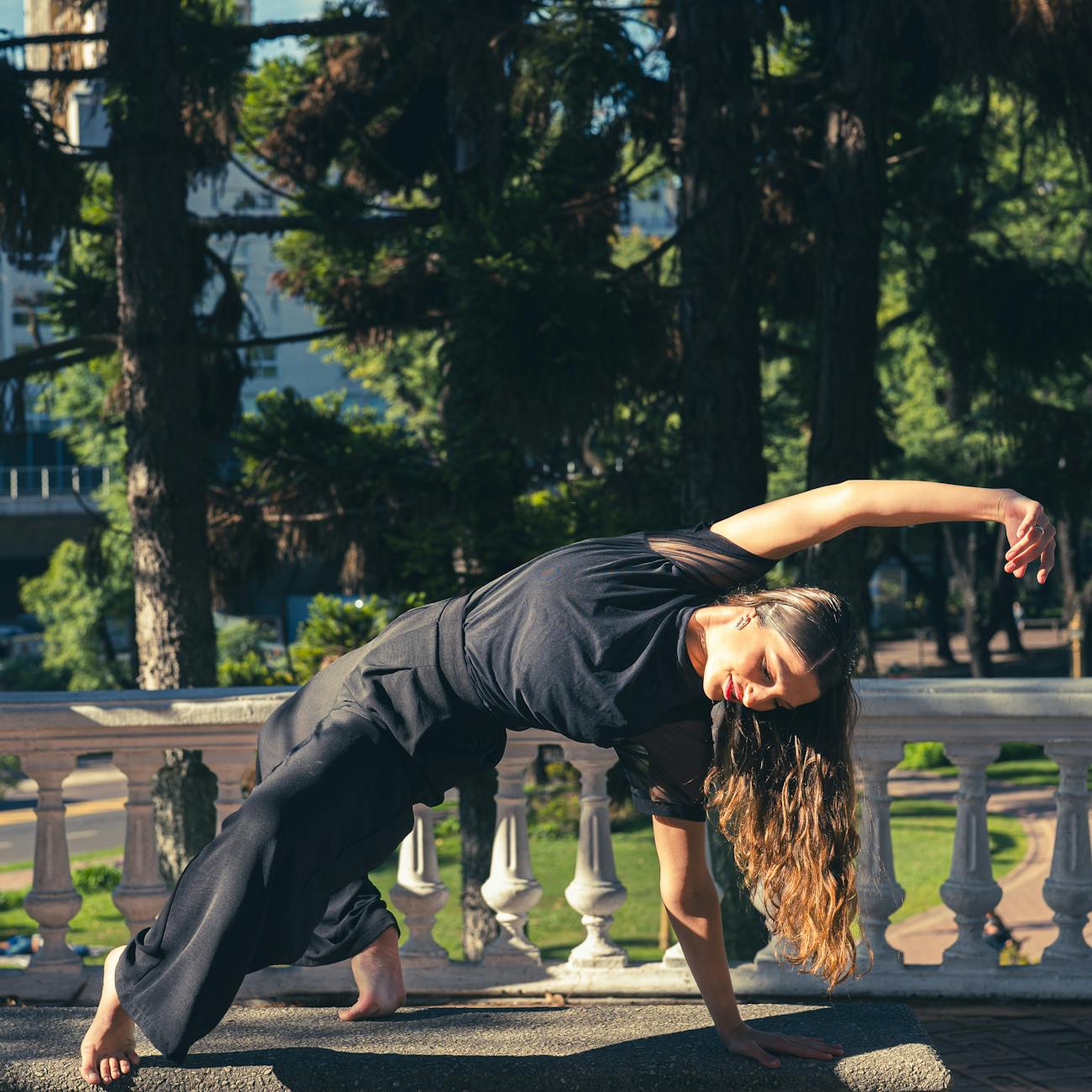
Dance Therapy for Social Change is a powerful tool that harnesses the expressive and transformative qualities of dance to address social issues and promote positive change within individuals, communities, and societies. In this course, we will explore the key terms and vocabulary essential to understanding the role of dance therapy in social change initiatives.
**Dance Therapy**
Dance therapy, also known as dance movement therapy, is a form of expressive therapy that uses movement and dance to support intellectual, emotional, and motor functions of the body. It is based on the belief that the body and mind are interconnected, and that movement can be used as a tool for healing and self-expression. Dance therapy can help individuals explore their feelings, improve communication skills, reduce stress, and enhance overall well-being.
**Social Change**
Social change refers to the transformation of societal structures, norms, values, and behaviors to create a more just and equitable society. It involves challenging existing power dynamics, advocating for marginalized communities, and promoting social justice. Dance therapy for social change aims to use dance as a means to address social issues, raise awareness, and inspire positive action within communities.
**Global Certificate Course in Dance Therapy for Social Change**
The Global Certificate Course in Dance Therapy for Social Change is designed to provide participants with the necessary knowledge and skills to use dance therapy as a tool for promoting social change on a global scale. The course covers a wide range of topics, including the history of dance therapy, therapeutic techniques, cultural considerations, and ethical practices. Participants will learn how to apply dance therapy principles to address social issues such as trauma, discrimination, and inequality.
**Key Terms and Vocabulary**
1. **Dance Movement Therapy (DMT)**: Dance movement therapy is a form of psychotherapy that uses movement and dance to promote emotional, cognitive, physical, and social integration in individuals. DMT is based on the premise that movement reflects an individual's thoughts, feelings, and experiences.
2. **Embodiment**: Embodiment refers to the process of connecting mind and body through movement. In dance therapy, embodiment is essential for promoting self-awareness, emotional expression, and physical well-being.
3. **Authentic Movement**: Authentic movement is a form of movement exploration in which individuals move in response to internal impulses and sensations. This practice can help individuals access unconscious thoughts and emotions, leading to self-discovery and personal growth.
4. **Movement Analysis**: Movement analysis is the process of observing, interpreting, and understanding movement patterns. In dance therapy, movement analysis is used to assess clients' physical, emotional, and psychological states, and to guide therapeutic interventions.
5. **Nonverbal Communication**: Nonverbal communication refers to the transmission of messages through gestures, facial expressions, body language, and movements. In dance therapy, nonverbal communication plays a crucial role in understanding clients' emotions, needs, and experiences.
6. **Creative Expression**: Creative expression involves using movement, dance, and other artistic forms to express thoughts, feelings, and experiences. In dance therapy, creative expression can help individuals process trauma, explore identity, and foster personal growth.
7. **Cultural Competence**: Cultural competence refers to the ability to work effectively with individuals from diverse cultural backgrounds. In dance therapy, cultural competence is essential for understanding clients' beliefs, values, and practices, and for creating a safe and inclusive therapeutic environment.
8. **Trauma-Informed Care**: Trauma-informed care is an approach to therapy that recognizes the impact of trauma on individuals' mental health and well-being. In dance therapy, trauma-informed care involves creating a safe and supportive environment for clients to explore and heal from past traumas.
9. **Intersectionality**: Intersectionality is a concept that recognizes the interconnected nature of social identities, such as race, gender, sexuality, and class. In dance therapy, understanding intersectionality is crucial for addressing the unique experiences and challenges faced by individuals with multiple marginalized identities.
10. **Advocacy**: Advocacy involves promoting social justice, equality, and human rights through education, activism, and policy change. In dance therapy, advocacy can take many forms, such as using dance as a tool to raise awareness about social issues, empower marginalized communities, and promote positive change.
**Practical Applications**
1. **Community Workshops**: Dance therapists can facilitate workshops in community settings to promote social change and empower individuals to express themselves through movement. These workshops can focus on themes such as self-care, resilience, and collective healing.
2. **School Programs**: Dance therapists can collaborate with schools to integrate dance therapy into the curriculum, promoting emotional regulation, social skills, and mental health among students. Dance therapy programs in schools can help address issues such as bullying, stress, and academic pressure.
3. **Rehabilitation Centers**: Dance therapists can work in rehabilitation centers to support individuals recovering from physical injuries, trauma, or addiction. Dance therapy can help clients regain physical mobility, process emotional trauma, and build resilience in their recovery journey.
4. **Community Events**: Dance therapists can organize community events, such as dance performances, flash mobs, and public art installations, to raise awareness about social issues and promote solidarity among community members. These events can serve as platforms for social advocacy and activism.
**Challenges**
1. **Stigma**: Dance therapy may face stigma and misconceptions about its effectiveness as a therapeutic modality. Overcoming stigma requires educating the public, healthcare providers, and policymakers about the benefits of dance therapy for mental health and well-being.
2. **Accessibility**: Access to dance therapy services may be limited by factors such as cost, location, and cultural barriers. Addressing accessibility challenges involves advocating for funding, expanding service offerings, and promoting cultural diversity within the field of dance therapy.
3. **Ethical Considerations**: Dance therapists must adhere to ethical guidelines and professional standards to ensure the safety and well-being of their clients. Ethical considerations include maintaining confidentiality, obtaining informed consent, and addressing power differentials in the therapeutic relationship.
4. **Cultural Sensitivity**: Cultural sensitivity is crucial in dance therapy to avoid cultural appropriation, stereotype reinforcement, and unintentional harm to clients from diverse backgrounds. Dance therapists must engage in ongoing cultural competency training and consultation to provide culturally responsive care.
**Conclusion**
In conclusion, the Global Certificate Course in Dance Therapy for Social Change offers a comprehensive exploration of key terms and vocabulary essential to understanding the role of dance therapy in promoting social change. By integrating dance therapy principles with social justice initiatives, participants can harness the transformative power of movement to address social issues, empower individuals, and inspire positive change within communities worldwide.
Dance Therapy for Social Change is a unique and powerful form of therapy that utilizes movement and dance to promote healing, growth, and transformation in individuals and communities. In this course, we will explore key terms and vocabulary essential to understanding the principles and practices of Dance Therapy for Social Change.
**Dance Therapy:** Dance therapy, also known as dance movement therapy, is a form of expressive therapy that uses movement and dance to promote emotional, cognitive, physical, and social integration. It is based on the belief that the body and mind are interconnected, and that movement can be a powerful tool for self-expression and healing.
**Social Change:** Social change refers to the transformation of societal structures, institutions, and norms to create a more just, equitable, and inclusive society. Dance therapy for social change aims to address social issues such as discrimination, oppression, and inequality through the use of movement and dance.
**Global Certificate Course:** A global certificate course is a comprehensive training program that provides participants with the knowledge, skills, and tools necessary to practice dance therapy for social change on a global scale. It typically includes theoretical coursework, practical training, and hands-on experience working with diverse populations.
**Expressive Therapy:** Expressive therapy is a form of therapy that uses creative arts such as dance, music, art, and drama to help individuals explore and express their thoughts, feelings, and experiences. It can be particularly effective for individuals who have difficulty verbalizing their emotions.
**Community Engagement:** Community engagement refers to the process of building relationships with individuals, groups, and organizations in a community to address social issues and create positive change. Dance therapy for social change often involves working closely with communities to understand their needs and develop tailored interventions.
**Cultural Sensitivity:** Cultural sensitivity is the awareness, understanding, and respect for the beliefs, values, and practices of different cultural groups. In dance therapy for social change, cultural sensitivity is essential to ensure that interventions are respectful, inclusive, and effective for diverse populations.
**Trauma-Informed Practice:** Trauma-informed practice is an approach to therapy that recognizes the impact of trauma on individuals and emphasizes safety, trust, and empowerment in the healing process. Dance therapy for social change often incorporates trauma-informed principles to support individuals who have experienced trauma.
**Intersectionality:** Intersectionality is the recognition of how multiple aspects of a person's identity (such as race, gender, sexuality, and ability) intersect and influence their experiences of oppression and privilege. Dance therapy for social change takes an intersectional approach to address the complex and interconnected nature of social issues.
**Embodiment:** Embodiment refers to the experience of being present and connected to one's body, sensations, and emotions. In dance therapy for social change, embodiment is central to the healing process as individuals learn to express, release, and integrate their emotions through movement.
**Creative Movement:** Creative movement is a form of expressive movement that encourages individuals to explore and express themselves freely through dance. In dance therapy for social change, creative movement is used to promote self-expression, self-awareness, and emotional healing.
**Empowerment:** Empowerment is the process of increasing individuals' confidence, self-esteem, and sense of agency to take control of their lives and make positive changes. Dance therapy for social change aims to empower individuals and communities to address social issues, advocate for change, and create a more just society.
**Advocacy:** Advocacy is the act of speaking out, raising awareness, and taking action to support a cause or address social injustices. In dance therapy for social change, advocacy plays a critical role in promoting the value of dance therapy, advocating for social change, and challenging systemic inequalities.
**Self-Care:** Self-care refers to the practice of taking care of one's physical, emotional, and mental well-being to prevent burnout and maintain overall health. In dance therapy for social change, self-care is essential for therapists to sustain their energy, resilience, and compassion while working with individuals and communities facing social issues.
**Mindfulness:** Mindfulness is the practice of being present in the moment, observing one's thoughts and feelings without judgment. In dance therapy for social change, mindfulness techniques can help individuals develop self-awareness, emotional regulation, and resilience in the face of social challenges.
**Interdisciplinary Collaboration:** Interdisciplinary collaboration involves working with professionals from different fields (such as psychology, sociology, and social work) to address complex social issues and create innovative solutions. In dance therapy for social change, interdisciplinary collaboration can enhance the effectiveness and impact of interventions.
**Ethical Practice:** Ethical practice in dance therapy for social change involves upholding professional standards, respecting clients' autonomy and confidentiality, and promoting social justice and equity in therapy. Ethical guidelines provide a framework for therapists to ensure the safety, well-being, and rights of their clients.
**Reflective Practice:** Reflective practice is the process of self-examination, critical thinking, and self-awareness to enhance one's professional growth and effectiveness as a therapist. In dance therapy for social change, reflective practice helps therapists to learn from their experiences, challenge their assumptions, and improve their therapeutic skills.
**Social Justice:** Social justice is the pursuit of equality, fairness, and human rights for all individuals and communities. In dance therapy for social change, social justice is a guiding principle that informs interventions, advocacy efforts, and collaborations to address social issues and promote positive change.
**Intersectional Feminism:** Intersectional feminism is a feminist approach that recognizes the intersection of gender, race, class, and other identities in shaping individuals' experiences of oppression and privilege. In dance therapy for social change, intersectional feminism informs a critical analysis of power dynamics, social inequalities, and systemic barriers to social change.
**Healing Justice:** Healing justice is a framework that integrates healing practices with social justice principles to address trauma, oppression, and systemic violence in communities. In dance therapy for social change, healing justice emphasizes the importance of healing individual and collective trauma as a pathway to social transformation and liberation.
**Community Resilience:** Community resilience refers to the capacity of individuals and communities to adapt, recover, and thrive in the face of adversity and social challenges. In dance therapy for social change, community resilience is fostered through creative expression, social support, and collective action to build stronger, more resilient communities.
**Cultural Competency:** Cultural competency is the ability to understand, respect, and respond effectively to the cultural needs and preferences of diverse individuals and communities. In dance therapy for social change, cultural competency is essential for therapists to build trust, establish rapport, and create culturally responsive interventions that honor the diversity of clients.
**Ethnic Identity:** Ethnic identity is the sense of belonging, connection, and pride in one's cultural heritage and ancestry. In dance therapy for social change, ethnic identity is a key aspect of individuals' self-concept and can influence their experiences of oppression, discrimination, and resilience in the face of social challenges.
**Global Citizenship:** Global citizenship is the awareness, understanding, and commitment to promoting social justice, human rights, and sustainability on a global scale. In dance therapy for social change, global citizenship involves recognizing the interconnectedness of social issues, advocating for global solidarity, and working collaboratively to create positive change.
**Creative Arts Therapy:** Creative arts therapy is a broad term that encompasses various forms of therapy (such as dance therapy, music therapy, art therapy, and drama therapy) that use creative arts to promote healing, growth, and transformation. In dance therapy for social change, creative arts therapies can be integrated to provide holistic and multi-modal interventions that address individuals' diverse needs and preferences.
**Narrative Therapy:** Narrative therapy is an approach that focuses on individuals' stories, experiences, and meanings to help them reframe and reconstruct their narratives in a more empowering and hopeful way. In dance therapy for social change, narrative therapy techniques can be used to explore individuals' lived experiences, challenge dominant narratives, and promote resilience and empowerment in the face of social challenges.
**Community Well-being:** Community well-being refers to the collective health, happiness, and prosperity of individuals within a community. In dance therapy for social change, community well-being is a central goal that focuses on promoting social connections, cultural expression, and collective action to improve the overall quality of life and resilience of communities facing social challenges.
**Artistic Expression:** Artistic expression is the process of using creative arts such as dance, music, art, and drama to express thoughts, emotions, and experiences. In dance therapy for social change, artistic expression is a powerful tool for individuals to explore and communicate complex feelings, release emotional tension, and promote healing and growth.
**Cultural Humility:** Cultural humility is the practice of self-reflection, openness, and willingness to learn from diverse cultural perspectives and experiences. In dance therapy for social change, cultural humility is essential for therapists to acknowledge their own biases, privilege, and limitations, and to approach clients with respect, curiosity, and humility to create a safe and inclusive therapeutic environment.
**Social Transformation:** Social transformation refers to the profound and lasting changes in social structures, systems, and norms that lead to greater equity, justice, and well-being for all individuals and communities. In dance therapy for social change, social transformation is a long-term goal that involves challenging systemic inequalities, advocating for social change, and fostering collective action to create a more just and inclusive society.
**Digital Inclusion:** Digital inclusion is the effort to ensure that all individuals and communities have access to digital technologies, resources, and skills to participate fully in the digital world. In dance therapy for social change, digital inclusion is important for reaching diverse populations, promoting online engagement, and expanding the reach and impact of dance therapy interventions through digital platforms and virtual spaces.
**Restorative Justice:** Restorative justice is an approach to resolving conflicts and addressing harm that focuses on repairing relationships, promoting accountability, and restoring the well-being of individuals and communities. In dance therapy for social change, restorative justice principles can be integrated to support healing, reconciliation, and community building in the aftermath of social injustices and conflicts.
**Liberation Psychology:** Liberation psychology is a framework that integrates psychological principles with social justice values to empower individuals and communities to challenge oppression, build resilience, and create positive social change. In dance therapy for social change, liberation psychology emphasizes the importance of centering marginalized voices, promoting collective action, and fostering empowerment and liberation for all individuals and communities.
**Global Solidarity:** Global solidarity is the recognition of the interconnectedness and interdependence of all individuals and communities around the world, and the commitment to supporting each other in the pursuit of social justice and human rights. In dance therapy for social change, global solidarity involves building alliances, sharing resources, and collaborating across borders to address global challenges and promote collective well-being.
**Healing Circles:** Healing circles are group gatherings that provide a safe and supportive space for individuals to share their stories, experiences, and emotions, and to receive empathy, validation, and healing from others. In dance therapy for social change, healing circles can be used to promote connection, community building, and collective healing in response to social challenges and trauma.
**Artivism:** Artivism is a form of activism that uses creative arts such as dance, music, art, and theater to raise awareness, inspire action, and promote social change. In dance therapy for social change, artivism can be integrated into therapeutic interventions to empower individuals, challenge systemic injustices, and advocate for social transformation through creative expression and collective action.
**Compassionate Listening:** Compassionate listening is the practice of being fully present, attentive, and empathetic to others' experiences, emotions, and needs. In dance therapy for social change, compassionate listening is an essential skill for therapists to build trust, establish rapport, and create a safe and supportive therapeutic environment where individuals can explore and express their emotions freely.
**Trauma Recovery:** Trauma recovery is the process of healing and rebuilding one's sense of safety, trust, and well-being after experiencing trauma. In dance therapy for social change, trauma recovery involves providing individuals with the tools, resources, and support they need to process their trauma, develop coping skills, and rebuild their resilience and sense of agency in the face of adversity.
**Healing Spaces:** Healing spaces are physical or virtual environments that provide individuals with a sense of safety, comfort, and support to engage in healing practices such as dance, meditation, art, and therapy. In dance therapy for social change, creating healing spaces is essential to promote relaxation, self-reflection, and emotional healing for individuals facing social challenges and trauma.
**Social Impact:** Social impact refers to the positive changes and outcomes that interventions, programs, and initiatives have on individuals, communities, and society at large. In dance therapy for social change, social impact can be measured by the improvements in individuals' well-being, relationships, and resilience, as well as the broader changes in social attitudes, policies, and systems that promote equity, justice, and inclusion.
**Advocacy Strategies:** Advocacy strategies are the actions, tactics, and approaches used to raise awareness, mobilize support, and influence decision-makers to address social issues and promote positive change. In dance therapy for social change, advocacy strategies can include public speaking, media campaigns, community organizing, policy advocacy, and coalition building to advance social justice and human rights for all individuals and communities.
**Community Empowerment:** Community empowerment is the process of building individuals' and communities' capacity, agency, and resources to address social issues, advocate for their needs, and create positive change. In dance therapy for social change, community empowerment involves working collaboratively with communities to identify their strengths, challenges, and aspirations, and to co-create interventions that promote healing, resilience, and social transformation.
**Somatic Experiencing:** Somatic experiencing is a body-centered therapy approach that focuses on releasing and integrating trauma held in the body through awareness, movement, and sensation. In dance therapy for social change, somatic experiencing techniques can help individuals to regulate their nervous system, release emotional tension, and build resilience in response to trauma and social challenges.
**Narrative Healing:** Narrative healing is the process of using storytelling, writing, and creative arts to explore, reframe, and transform individuals' narratives of trauma, loss, and adversity into stories of resilience, growth, and empowerment. In dance therapy for social change, narrative healing can help individuals to make meaning of their experiences, process their emotions, and reclaim their agency and voice in the face of social challenges.
**Art Therapy Techniques:** Art therapy techniques are creative exercises, activities, and interventions used in art therapy to help individuals explore and express their thoughts, feelings, and experiences through visual arts such as drawing, painting, and sculpture. In dance therapy for social change, art therapy techniques can be adapted and integrated into dance therapy interventions to promote self-expression, emotional healing, and personal growth for individuals facing social challenges.
**Dance Movement Analysis:** Dance movement analysis is a method of observing, interpreting, and understanding individuals' movement patterns, qualities, and expressions to gain insight into their emotions, thoughts, and experiences. In dance therapy for social change, dance movement analysis can help therapists to assess individuals' movement patterns, identify areas of tension or restriction, and tailor interventions to promote self-awareness, emotional release, and healing through movement.
**Group Dynamics:** Group dynamics refers to the patterns of interaction, communication, and relationships that emerge within a group of individuals working together towards a common goal. In dance therapy for social change, understanding group dynamics is important for therapists to facilitate group cohesion, trust, and collaboration, and to create a safe and supportive group environment where individuals can connect, share, and heal together through movement and dance.
**Body Image:** Body image is the perception, thoughts, and feelings that individuals have about their bodies, appearance, and physical self. In dance therapy for social change, body image can be a sensitive topic for individuals facing social challenges such as body shaming, discrimination, or trauma, and therapists can use dance and movement to help individuals explore, accept, and appreciate their bodies, and to promote body positivity, self-acceptance, and self-care.
**Empathy:** Empathy is the ability to understand, share, and respond to others' emotions, thoughts, and experiences with compassion and sensitivity. In dance therapy for social change, empathy is a fundamental skill for therapists to build rapport, establish trust, and create a safe and supportive therapeutic relationship where individuals can feel heard, validated, and understood as they explore and express their emotions through movement and dance.
**Mind-Body Connection:** The mind-body connection refers to the interrelationship between individuals' mental, emotional, and physical health, and the impact of thoughts, emotions, and beliefs on the body's sensations, movements, and well-being. In dance therapy for social change, the mind-body connection is central to the healing process as individuals learn to tune into their bodies, release emotional tension, and promote holistic well-being through movement and dance.
**Dance Therapy Techniques:** Dance therapy techniques are movement-based exercises, activities, and interventions used in dance therapy to help individuals explore, express, and process their emotions, thoughts, and experiences through movement and dance. In dance therapy for social change, dance therapy techniques can be tailored to individuals' needs, preferences, and goals to promote self-expression, emotional healing, and personal growth in response to social challenges and trauma.
**Self-Expression:** Self-expression is the process of communicating one's thoughts, feelings, and experiences through various forms of creative arts such as dance, music, art, and writing. In dance therapy for social change, self-expression is a key goal that helps individuals to explore, release, and integrate their emotions, thoughts, and experiences through movement and dance, and to promote self-awareness, self-acceptance, and personal growth in response to social challenges and trauma.
**Equity and Inclusion:** Equity and inclusion refer to the principles of fairness, justice, and respect for all individuals, regardless of their background, identity, or abilities. In dance therapy for social change, equity and inclusion are core values that guide therapists to create a safe, supportive, and inclusive therapeutic environment where individuals can feel valued, respected, and empowered to explore, express, and heal through movement and dance.
**Resilience Building:** Resilience building is the process of developing individuals' capacity, skills, and resources to cope with adversity, bounce back from challenges, and thrive in the face of change and uncertainty. In dance therapy for social change, resilience building involves helping individuals to build emotional regulation, coping skills, and social support networks through movement and dance, and to promote self-care, self-awareness, and personal growth in response to social challenges and trauma.
**Social Support:** Social support refers to the emotional, practical, and instrumental assistance that individuals receive from their families, friends, communities, and networks to cope with challenges, build resilience, and promote well-being. In dance therapy for social change, social support is a key resource that helps individuals to feel connected, valued, and empowered as they explore, express, and heal through movement and dance, and to promote social connections, belonging, and community resilience in response to social challenges and trauma.
**Transformational Leadership:** Transformational leadership is a leadership style that inspires, motivates, and empowers individuals to achieve their full potential, challenge the status quo, and create positive change in
Introduction to Dance Therapy for Social Change
Dance therapy, also known as dance movement therapy, is a form of expressive therapy that uses movement and dance to support intellectual, emotional, and motor functions of the body. It is based on the belief that the mind and body are interconnected and that movement can impact mental health and well-being. Dance therapy is a powerful tool for promoting self-expression, communication, and healing. In recent years, there has been a growing interest in using dance therapy for social change, as it can be a transformative practice that addresses social issues and promotes positive change in communities.
Key Terms and Vocabulary
Dance Therapy: Dance therapy is a form of therapy that uses movement and dance to promote emotional, cognitive, physical, and social integration. It is based on the belief that the body and mind are interconnected and that movement can be a powerful tool for healing and self-expression.
Social Change: Social change refers to the transformation of societal structures, institutions, and norms to create a more just, equitable, and inclusive society. Dance therapy for social change aims to address social issues such as discrimination, inequality, and injustice through the use of movement and dance.
Expressive Therapy: Expressive therapy is a form of therapy that uses creative arts such as music, dance, art, and drama to help individuals express their thoughts, feelings, and emotions. Dance therapy is a form of expressive therapy that uses movement and dance as the primary medium for self-expression.
Community Engagement: Community engagement refers to the process of involving community members in decision-making, planning, and action to address social issues and promote positive change. Dance therapy for social change often involves community engagement to ensure that the needs and perspectives of the community are taken into account.
Empowerment: Empowerment refers to the process of enabling individuals or communities to take control of their lives, make decisions, and create positive change. Dance therapy for social change can empower individuals by helping them build self-confidence, self-awareness, and self-expression.
Intersectionality: Intersectionality is a concept that recognizes that individuals may experience multiple forms of oppression or discrimination based on their intersecting identities such as race, gender, sexuality, and class. Dance therapy for social change takes an intersectional approach to address the complex and interconnected nature of social issues.
Cultural Competency: Cultural competency refers to the ability to understand, respect, and effectively communicate with individuals from diverse cultural backgrounds. Dance therapists for social change need to be culturally competent to work with communities with different beliefs, values, and practices.
Trauma-Informed Practice: Trauma-informed practice is an approach that recognizes the impact of trauma on individuals' lives and integrates trauma-sensitive principles into therapy. Dance therapists for social change use trauma-informed practice to create safe and supportive environments for individuals who have experienced trauma.
Advocacy: Advocacy refers to the process of speaking up, raising awareness, and taking action to address social issues and promote positive change. Dance therapists for social change may engage in advocacy efforts to advocate for social justice, equality, and inclusivity.
Restorative Justice: Restorative justice is a process that focuses on repairing harm, restoring relationships, and promoting healing in cases of wrongdoing or conflict. Dance therapy for social change can incorporate restorative justice principles to promote reconciliation, empathy, and understanding within communities.
Practical Applications
Dance therapy for social change has a wide range of practical applications in various settings, including schools, community centers, hospitals, correctional facilities, and social service agencies. Here are some examples of practical applications of dance therapy for social change:
Schools: Dance therapy can be used in schools to promote social-emotional learning, conflict resolution, and positive communication skills among students. Dance therapists can work with teachers and school counselors to address issues such as bullying, peer pressure, and academic stress through movement and dance.
Community Centers: Dance therapy can be offered in community centers to support individuals and groups who have experienced trauma, loss, or discrimination. Dance therapists can facilitate group sessions that focus on building resilience, coping skills, and self-esteem through creative movement activities.
Hospitals: Dance therapy can be integrated into hospitals to support patients' physical and emotional well-being during their recovery process. Dance therapists can work with healthcare providers to offer movement-based interventions that reduce pain, anxiety, and depression among patients recovering from illness or surgery.
Correctional Facilities: Dance therapy can be implemented in correctional facilities to promote rehabilitation, self-reflection, and conflict resolution among inmates. Dance therapists can lead dance classes and group sessions that encourage inmates to express themselves, build empathy, and develop positive relationships with others.
Social Service Agencies: Dance therapy can be used in social service agencies to support individuals and families facing challenges such as homelessness, addiction, or domestic violence. Dance therapists can offer movement-based interventions that help clients process trauma, build resilience, and develop healthy coping strategies.
Challenges
While dance therapy for social change has many benefits, it also presents challenges that therapists may encounter in their practice. Some of the challenges of using dance therapy for social change include:
Stigma: Dance therapy may face stigma or skepticism from individuals who are unfamiliar with its benefits or who view dance as a frivolous or non-serious activity. Therapists may need to educate others about the evidence-based research supporting the effectiveness of dance therapy for social change.
Access: Access to dance therapy services may be limited for individuals who do not have the financial resources or transportation to attend sessions. Therapists may need to work with community organizations, schools, or healthcare providers to offer affordable or free dance therapy programs for underserved populations.
Intersectionality: Addressing the intersecting identities and experiences of individuals in dance therapy sessions can be complex and challenging. Therapists need to be aware of their own biases and privilege and create inclusive and welcoming environments for individuals from diverse backgrounds.
Trauma: Working with individuals who have experienced trauma can be emotionally demanding for dance therapists. Therapists need to practice self-care, seek supervision, and establish boundaries to prevent burnout and compassion fatigue when working with clients who have experienced trauma.
Cultural Competency: Cultural competency is essential for dance therapists working with diverse communities, but it can be a challenge to navigate cultural differences, beliefs, and practices in therapy sessions. Therapists need to engage in ongoing training and education to enhance their cultural competency skills and provide effective and respectful care to clients.
Conclusion
Dance therapy for social change is a powerful and transformative practice that can address social issues, promote healing, and create positive change in communities. By using movement and dance as a therapeutic medium, dance therapists can empower individuals, build resilience, and foster connection and understanding among diverse groups. Despite the challenges that therapists may face, dance therapy for social change has the potential to make a significant impact on individuals' lives and society as a whole. Through advocacy, community engagement, and trauma-informed practice, dance therapists can work towards creating a more just, equitable, and inclusive world through the power of movement and dance.
Introduction to Dance Therapy for Social Change
Dance therapy for social change is a powerful tool for promoting healing, self-expression, and empowerment in individuals and communities. This course provides an introduction to the practice of using dance as a therapeutic intervention to address social issues and bring about positive change. In this overview, we will explore key terms and vocabulary essential for understanding the principles and practices of dance therapy for social change.
Dance Therapy
Dance therapy, also known as dance movement therapy, is a form of expressive therapy that uses movement and dance to promote emotional, cognitive, physical, and social integration. It is based on the premise that the body and mind are interconnected, and that movement can be a powerful tool for healing and self-expression. Dance therapy can be used to address a wide range of issues, including anxiety, depression, trauma, and stress. It is often used in individual and group settings, and can be tailored to meet the specific needs of each client.
Social Change
Social change refers to the transformation of society and its institutions to bring about positive outcomes for individuals and communities. This can include changes in social norms, policies, and practices that promote equity, justice, and well-being. Dance therapy for social change aims to use dance as a means to address social issues, promote awareness, and empower individuals to create positive change in their communities. It can be used to address issues such as social inequality, discrimination, and violence.
Global Certificate Course in Dance Therapy for Social Change
The Global Certificate Course in Dance Therapy for Social Change is a comprehensive program that provides training in the principles and practices of using dance as a therapeutic intervention for social change. The course covers a wide range of topics, including the history of dance therapy, the principles of movement analysis, and the role of dance in promoting social justice. Participants will learn how to use dance as a tool for healing, self-expression, and empowerment, and will gain practical skills for working with diverse populations in a variety of settings.
Key Terms and Vocabulary
1. Embodiment
Embodiment refers to the process of experiencing and expressing emotions, thoughts, and memories through the body. In dance therapy, embodiment is a key concept, as it emphasizes the importance of using movement to connect with and express one's inner experiences. Through embodiment, individuals can deepen their understanding of themselves and explore new ways of relating to others.
2. Movement Analysis
Movement analysis is the process of observing, describing, and interpreting movement patterns and behaviors. In dance therapy, movement analysis is used to understand how individuals move and express themselves, and to identify patterns that may be related to emotional or psychological issues. By analyzing movement, therapists can gain insight into a client's inner world and develop interventions that promote healing and growth.
3. Authentic Movement
Authentic movement is a practice in dance therapy that involves moving in response to inner impulses and sensations. It is a form of self-exploration and self-expression that can help individuals connect with their authentic selves and release emotional blockages. Authentic movement can be a powerful tool for promoting healing and self-awareness, and is often used in individual and group therapy settings.
4. Cultural Competence
Cultural competence refers to the ability to work effectively with individuals from diverse cultural backgrounds. In dance therapy for social change, cultural competence is essential for understanding and addressing the unique needs and experiences of clients from different cultural backgrounds. Therapists must be sensitive to cultural differences and be able to adapt their interventions to meet the needs of diverse populations.
5. Trauma-Informed Practice
Trauma-informed practice is an approach to therapy that recognizes the impact of trauma on individuals and communities, and seeks to create a safe and supportive environment for healing. In dance therapy for social change, trauma-informed practice is essential for working with clients who have experienced trauma. Therapists must be able to recognize the signs of trauma, create a sense of safety, and provide interventions that promote healing and resilience.
6. Intersectionality
Intersectionality is a concept that recognizes the interconnected nature of social identities, such as race, gender, sexuality, and class. In dance therapy for social change, intersectionality is important for understanding how social issues intersect and impact individuals and communities in unique ways. Therapists must be aware of the multiple layers of identity that clients may hold, and be able to address these intersections in their therapeutic work.
7. Social Justice
Social justice refers to the fair and equitable distribution of resources, opportunities, and rights in society. In dance therapy for social change, social justice is a guiding principle that aims to address social inequalities and promote positive change. Therapists may use dance as a tool for raising awareness about social issues, advocating for change, and empowering individuals to become agents of social justice in their communities.
Practical Applications
Dance therapy for social change can be applied in a variety of settings and with diverse populations. Some practical applications of dance therapy for social change include:
- Working with survivors of trauma to promote healing and resilience. - Using dance to raise awareness about social issues, such as discrimination and violence. - Empowering individuals to become advocates for social change in their communities. - Using dance as a tool for promoting self-expression and empowerment in marginalized populations. - Collaborating with community organizations to address social issues through dance and movement.
Challenges
While dance therapy for social change can be a powerful tool for promoting healing and empowerment, there are also challenges to consider. Some common challenges in using dance therapy for social change include:
- Addressing cultural differences and ensuring that interventions are culturally sensitive and relevant. - Recognizing and addressing trauma in clients, and providing trauma-informed care. - Advocating for social change in the face of resistance or opposition. - Ensuring that interventions are inclusive and accessible to individuals from diverse backgrounds. - Balancing the need for individual healing with the desire to create broader social change.
In summary, dance therapy for social change is a transformative practice that can promote healing, self-expression, and empowerment in individuals and communities. By understanding key terms and vocabulary related to dance therapy for social change, practitioners can enhance their knowledge and skills in using dance as a tool for promoting social justice and positive change.
Introduction to Dance Therapy for Social Change
Dance therapy for social change is a powerful tool that combines the expressive art form of dance with therapeutic techniques to address social issues and promote positive change in individuals, communities, and societies. This course will provide an overview of key terms and concepts related to dance therapy for social change, highlighting the role of dance in promoting personal growth, healing, and social transformation.
Dance Therapy
Dance therapy, also known as dance movement therapy, is a form of psychotherapy that uses movement and dance to support intellectual, emotional, and motor functions. It is based on the premise that the body and mind are interconnected, and that movement can be a powerful tool for self-expression, communication, and healing. Dance therapists work with individuals of all ages and backgrounds to address a wide range of emotional, cognitive, and physical issues.
Dance therapy can be used in individual or group settings, and may involve a variety of movement techniques, such as improvisation, choreographed dance, and mirroring exercises. Through movement, individuals can explore their thoughts and feelings, release emotional tension, and develop a deeper understanding of themselves and others. Dance therapy is often used to address issues such as anxiety, depression, trauma, and addiction, as well as to promote personal growth and self-awareness.
Social Change
Social change refers to the process by which societies evolve and transform over time. It involves shifts in social norms, values, beliefs, and behaviors, as well as changes in social institutions and structures. Social change can be driven by a variety of factors, including technological advancements, political movements, economic developments, and cultural shifts.
Dance therapy for social change is based on the belief that dance can be a catalyst for positive transformation in individuals, communities, and societies. By using movement and dance to address social issues, such as inequality, discrimination, violence, and injustice, dance therapists can help individuals and groups to develop empathy, resilience, and a sense of community. Through dance, individuals can explore and challenge social norms, express their experiences and perspectives, and advocate for social justice and equality.
Key Terms
1. Embodiment: The process of experiencing and expressing emotions, thoughts, and sensations through the body. In dance therapy, embodiment is central to the therapeutic process, as it allows individuals to connect with their physical selves and explore their inner experiences through movement.
2. Authenticity: The practice of being true to oneself and expressing one's thoughts, feelings, and experiences honestly and openly. In dance therapy, authenticity is encouraged as a way to promote self-awareness, self-acceptance, and emotional healing.
3. Empowerment: The process of gaining control over one's life and circumstances, and developing the confidence and skills to advocate for oneself and others. In dance therapy, empowerment is a key goal, as it helps individuals to overcome challenges, build resilience, and create positive change in their lives and communities.
4. Intersectionality: The interconnected nature of social categories, such as race, gender, sexuality, and class, and the ways in which they intersect to shape individuals' experiences of privilege and oppression. In dance therapy, an intersectional approach is important for understanding and addressing the complex social issues that impact individuals and communities.
5. Embodied Social Justice: The practice of using movement and dance to promote social justice, equality, and empowerment. In dance therapy, embodied social justice involves exploring and challenging social norms, advocating for change, and creating spaces for individuals to express their experiences and perspectives.
6. Community Engagement: The process of involving individuals, groups, and organizations in activities and initiatives that promote social change and positive transformation. In dance therapy, community engagement is important for building connections, fostering collaboration, and creating opportunities for individuals to come together and support one another.
Practical Applications
Dance therapy for social change can be applied in a variety of settings, including schools, hospitals, community centers, prisons, and refugee camps. Some practical applications of dance therapy for social change include:
1. Healing Trauma: Dance therapy can be used to help individuals who have experienced trauma to process their emotions, build resilience, and develop coping skills. Through movement and dance, individuals can release emotional tension, express their feelings, and work through difficult memories in a safe and supportive environment.
2. Building Resilience: Dance therapy can help individuals to develop resilience, or the ability to bounce back from adversity and overcome challenges. By engaging in movement and dance, individuals can strengthen their physical and emotional well-being, build self-confidence, and develop coping strategies for managing stress and uncertainty.
3. Promoting Social Justice: Dance therapy can be used to promote social justice and equality by creating spaces for individuals to explore and challenge social norms, advocate for change, and express their experiences and perspectives. Through movement and dance, individuals can raise awareness about social issues, create connections with others, and work together to create positive change in their communities.
4. Preventing Violence: Dance therapy can be used as a preventive measure to address issues such as violence, bullying, and aggression. By engaging in movement and dance, individuals can learn to manage their emotions, develop empathy and communication skills, and build healthy relationships with others.
Challenges
While dance therapy for social change can be a powerful tool for promoting positive transformation, there are also challenges and limitations to consider. Some common challenges include:
1. Resistance to Change: Individuals and communities may resist efforts to promote social change through dance therapy, due to fear, lack of awareness, or entrenched beliefs and attitudes. Overcoming resistance requires building trust, fostering open communication, and creating safe spaces for individuals to explore and express their thoughts and feelings.
2. Resource Limitations: Limited resources, such as funding, time, and access to trained dance therapists, can pose challenges to implementing dance therapy for social change initiatives. Finding creative solutions, building partnerships, and advocating for support can help to overcome resource limitations and expand the reach of dance therapy programs.
3. Cultural Sensitivity: Cultural differences and sensitivities must be taken into account when using dance therapy for social change, to ensure that interventions are respectful, inclusive, and relevant to individuals' experiences and perspectives. Building cultural competence, engaging with local communities, and adapting interventions to suit diverse cultural contexts are important considerations for dance therapists working in global settings.
4. Ethical Considerations: Dance therapists must adhere to ethical guidelines and standards of practice when working with individuals and communities, to ensure the safety, well-being, and autonomy of participants. Ethical considerations include maintaining confidentiality, obtaining informed consent, and addressing power dynamics and boundaries in the therapeutic relationship.
In conclusion, dance therapy for social change is a dynamic and transformative practice that combines the healing power of movement and dance with the goal of promoting positive transformation in individuals, communities, and societies. By exploring key terms and concepts related to dance therapy for social change, practitioners can develop a deeper understanding of the role of dance in promoting personal growth, healing, and social justice. Through practical applications and an awareness of challenges and limitations, dance therapists can harness the potential of dance as a tool for social change and empowerment.
Introduction to Dance Therapy for Social Change
Dance therapy for social change is a powerful tool that combines the transformative power of dance with the therapeutic process to address social issues and promote positive change within communities. This course will provide an overview of key concepts, theories, and practices in dance therapy for social change, exploring how dance can be used as a vehicle for healing, empowerment, and social justice. Participants will learn about the history of dance therapy, the principles of movement-based therapy, and the role of dance in promoting social change.
Key Terms and Vocabulary
Dance Therapy
Dance therapy, also known as dance movement therapy, is a form of expressive therapy that uses movement and dance to promote emotional, cognitive, physical, and social integration. It is based on the premise that the body and mind are interconnected, and that movement can be a powerful tool for self-expression and healing. Dance therapists work with individuals or groups to explore their thoughts, feelings, and behaviors through movement, helping them to improve their mental health and well-being.
Social Change
Social change refers to the transformation of society's structures, institutions, and norms in response to social issues or challenges. It involves efforts to address inequality, injustice, and oppression, and to create a more equitable and inclusive society. Dance therapy for social change aims to use dance as a means of promoting awareness, empathy, and empowerment, and to effect positive change within communities.
Global Certificate Course
A global certificate course is a structured program of study that provides participants with specialized knowledge and skills in a particular field. The Global Certificate Course in Dance Therapy for Social Change is designed to offer a comprehensive overview of dance therapy as a tool for promoting social change on a global scale. Participants will learn about different cultural contexts, practices, and perspectives on dance therapy, and how it can be applied to address social issues in diverse communities.
Therapeutic Process
The therapeutic process refers to the series of steps involved in a therapy session, from assessment and goal setting to intervention and evaluation. In dance therapy, the therapeutic process involves using movement and dance to help individuals explore their emotions, thoughts, and behaviors, and to work towards personal growth and healing. Dance therapists create a safe and supportive environment for clients to express themselves through movement, and to process their experiences in a therapeutic way.
Movement-Based Therapy
Movement-based therapy is a form of therapy that uses movement and body awareness to promote emotional, cognitive, and physical well-being. It is based on the idea that the body holds emotional memories and can be a powerful tool for self-expression and healing. Movement-based therapy can take many forms, including dance therapy, yoga therapy, and somatic experiencing, and can be used to address a wide range of mental health issues, including trauma, anxiety, and depression.
Healing
Healing refers to the process of recovering from physical, emotional, or psychological wounds, and restoring a sense of wholeness and well-being. In dance therapy, healing can take many forms, from releasing emotional tension through movement to building self-confidence and self-awareness. Dance therapists help clients to tap into their body's innate wisdom and resilience, and to use movement as a tool for self-care and self-discovery.
Empowerment
Empowerment refers to the process of gaining control over one's life and circumstances, and developing a sense of self-efficacy and agency. In dance therapy for social change, empowerment is a key goal, as it can help individuals to overcome obstacles, advocate for themselves, and create positive change within their communities. Through movement and dance, clients can develop a sense of strength, resilience, and empowerment, and learn to use their bodies as a tool for self-expression and social action.
Social Justice
Social justice refers to the fair and equitable distribution of resources, opportunities, and rights within society, and the elimination of discrimination, oppression, and inequality. Dance therapy for social change aims to promote social justice by using dance as a means of raising awareness, challenging power structures, and advocating for marginalized communities. Through movement and dance, individuals can explore issues of privilege, power, and oppression, and work towards creating a more just and inclusive society.
History of Dance Therapy
The history of dance therapy can be traced back to the early 20th century, when pioneers such as Marian Chace and Mary Whitehouse began using dance as a therapeutic tool to help individuals with mental health issues. Dance therapy gained recognition as a distinct form of therapy in the 1940s and 1950s, with the founding of the American Dance Therapy Association and the development of formal training programs in dance therapy. Today, dance therapy is practiced in a wide range of settings, including hospitals, schools, and community centers, and is used to address a variety of mental health issues, from trauma and anxiety to eating disorders and addiction.
Principles of Dance Therapy
The principles of dance therapy are based on the idea that movement and dance can be powerful tools for self-expression, healing, and personal growth. Some key principles of dance therapy include:
- Embodiment: Dance therapy emphasizes the importance of being present in the body and using movement to connect with one's emotions, thoughts, and experiences. - Nonverbal communication: Movement and dance can convey emotions and experiences that may be difficult to put into words, allowing clients to express themselves in a nonverbal way. - Creativity: Dance therapy encourages clients to explore their creativity through movement and dance, and to use their bodies as a tool for self-expression and self-discovery. - Empathy: Dance therapists cultivate empathy and understanding towards their clients, creating a safe and supportive environment for exploration and healing.
Role of Dance in Social Change
Dance has long been used as a tool for social change, from traditional dance forms that celebrate cultural identity and resistance to contemporary dance movements that address issues of race, gender, and sexuality. Dance can be a powerful medium for raising awareness, promoting empathy, and inspiring action, as it engages both the body and the mind in a holistic way. In dance therapy for social change, dance is used as a means of promoting healing, empowerment, and social justice, and of creating positive change within communities.
Cultural Contexts
Cultural contexts refer to the social, historical, and political influences that shape the way dance therapy is practiced and understood within different communities. Cultural contexts can include factors such as race, ethnicity, religion, and social class, and can impact how individuals perceive and experience dance therapy. Dance therapists must be aware of and sensitive to the cultural contexts in which they work, and strive to create inclusive and culturally responsive therapeutic environments for their clients.
Challenges and Opportunities
Dance therapy for social change faces a number of challenges, including limited access to services, stigma around mental health issues, and a lack of funding for programs. However, there are also many opportunities for growth and innovation in the field, including the use of technology to deliver virtual dance therapy sessions, the integration of dance therapy into schools and community centers, and the development of interdisciplinary collaborations with other fields such as psychology, sociology, and public health. By addressing these challenges and seizing these opportunities, dance therapy for social change has the potential to make a meaningful impact on individuals and communities around the world.
Conclusion
In conclusion, dance therapy for social change is a dynamic and evolving field that harnesses the power of movement and dance to promote healing, empowerment, and social justice. By exploring key concepts, theories, and practices in dance therapy for social change, participants in the Global Certificate Course in Dance Therapy for Social Change will gain a deeper understanding of how dance can be used as a tool for positive change within communities. Through a combination of theory, practice, and experiential learning, participants will develop the knowledge and skills needed to apply dance therapy in a global context, and to create meaningful and lasting change in the world.
Introduction to Dance Therapy for Social Change
Dance therapy, also known as dance movement therapy, is a form of expressive therapy that uses movement to improve the physical, emotional, social, and cognitive well-being of individuals. It is a powerful tool for promoting self-expression, self-awareness, and healing. Dance therapy can be used in a variety of settings, including schools, hospitals, community centers, and private practice.
Dance therapy for social change takes this concept a step further by using dance as a medium for promoting social justice, equality, and positive change in society. This course will explore how dance therapy can be used to address social issues such as inequality, discrimination, violence, and trauma. By combining the healing power of dance with a focus on social change, dance therapists can work to create a more just and equitable world.
Key Terms and Vocabulary
Dance Therapy: Dance therapy is a form of expressive therapy that uses movement to improve the physical, emotional, social, and cognitive well-being of individuals. It is based on the belief that the body and mind are interconnected and that movement can be used to promote healing and self-expression.
Social Change: Social change refers to the transformation of society in ways that promote justice, equality, and positive outcomes for all individuals. It involves addressing social issues such as inequality, discrimination, violence, and trauma to create a more just and equitable world.
Expressive Therapy: Expressive therapy is a form of therapy that uses creative outlets, such as dance, art, music, or drama, to help individuals express and process their emotions, thoughts, and experiences. It can be a powerful tool for promoting self-awareness, healing, and personal growth.
Movement: Movement is a fundamental aspect of dance therapy, as it is through movement that individuals can express themselves, release emotions, and connect with their bodies. Movement can take many forms, from simple gestures to complex choreography, and can be used to explore a wide range of emotions and experiences.
Healing: Healing is the process of recovering from physical, emotional, or psychological distress. Dance therapy can be a powerful tool for healing, as it allows individuals to express and explore their emotions through movement, leading to a greater sense of well-being and self-awareness.
Social Justice: Social justice refers to the fair and equitable distribution of resources, opportunities, and rights in society. Dance therapy for social change aims to promote social justice by addressing social issues such as inequality, discrimination, and violence through movement and creative expression.
Self-Expression: Self-expression is the process of expressing one's thoughts, feelings, and experiences through various forms of communication, such as movement, art, or music. Dance therapy can help individuals explore and express their emotions in a safe and supportive environment, leading to greater self-awareness and personal growth.
Self-Awareness: Self-awareness is the ability to recognize and understand one's thoughts, feelings, and behaviors. Dance therapy can help individuals develop greater self-awareness by exploring their emotions and experiences through movement, leading to a deeper understanding of themselves and their needs.
Trauma: Trauma refers to a deeply distressing or disturbing experience that can have lasting effects on an individual's physical, emotional, and psychological well-being. Dance therapy can be a valuable tool for healing trauma, as it allows individuals to process and release their emotions through movement, leading to a greater sense of well-being and resilience.
Equality: Equality refers to the fair treatment and equal opportunities for all individuals, regardless of their race, gender, or socioeconomic status. Dance therapy for social change aims to promote equality by addressing social issues such as discrimination and inequality through movement and creative expression.
Discrimination: Discrimination refers to the unfair or unequal treatment of individuals based on their race, gender, or other characteristics. Dance therapy for social change can be used to address discrimination by promoting awareness, empathy, and understanding through movement and creative expression.
Challenges: While dance therapy for social change can be a powerful tool for promoting social justice and positive change, there are also challenges to consider. One challenge is the need for cultural sensitivity, as different cultures may have different attitudes towards movement and expression. Another challenge is the need for ongoing research and evaluation to ensure that dance therapy is effective in addressing social issues.
Practical Applications: There are many practical applications of dance therapy for social change. For example, dance therapists can work with communities affected by violence or trauma to promote healing and resilience through movement. They can also work with schools to address issues of bullying and discrimination through dance and creative expression. By using dance as a medium for promoting social change, dance therapists can help create a more just and equitable world for all individuals.
Conclusion
In conclusion, dance therapy for social change is a powerful tool for promoting social justice, equality, and positive change in society. By using movement and creative expression to address social issues such as inequality, discrimination, and trauma, dance therapists can help individuals heal, grow, and create a more just and equitable world. Through the key terms and vocabulary explored in this course, students will gain a deeper understanding of the principles and practices of dance therapy for social change and be better equipped to use dance as a medium for promoting social justice and positive change in their communities.
Key takeaways
- Dance Therapy for Social Change is a powerful tool that harnesses the expressive and transformative qualities of dance to address social issues and promote positive change within individuals, communities, and societies.
- Dance therapy, also known as dance movement therapy, is a form of expressive therapy that uses movement and dance to support intellectual, emotional, and motor functions of the body.
- Dance therapy for social change aims to use dance as a means to address social issues, raise awareness, and inspire positive action within communities.
- The Global Certificate Course in Dance Therapy for Social Change is designed to provide participants with the necessary knowledge and skills to use dance therapy as a tool for promoting social change on a global scale.
- **Dance Movement Therapy (DMT)**: Dance movement therapy is a form of psychotherapy that uses movement and dance to promote emotional, cognitive, physical, and social integration in individuals.
- In dance therapy, embodiment is essential for promoting self-awareness, emotional expression, and physical well-being.
- **Authentic Movement**: Authentic movement is a form of movement exploration in which individuals move in response to internal impulses and sensations.