
Biological Control of Plant Diseases
Biological control of plant diseases refers to the use of living organisms to control or suppress the growth of plant pathogens, reducing the incidence and severity of plant diseases. This approach is considered a more environmentally frien…
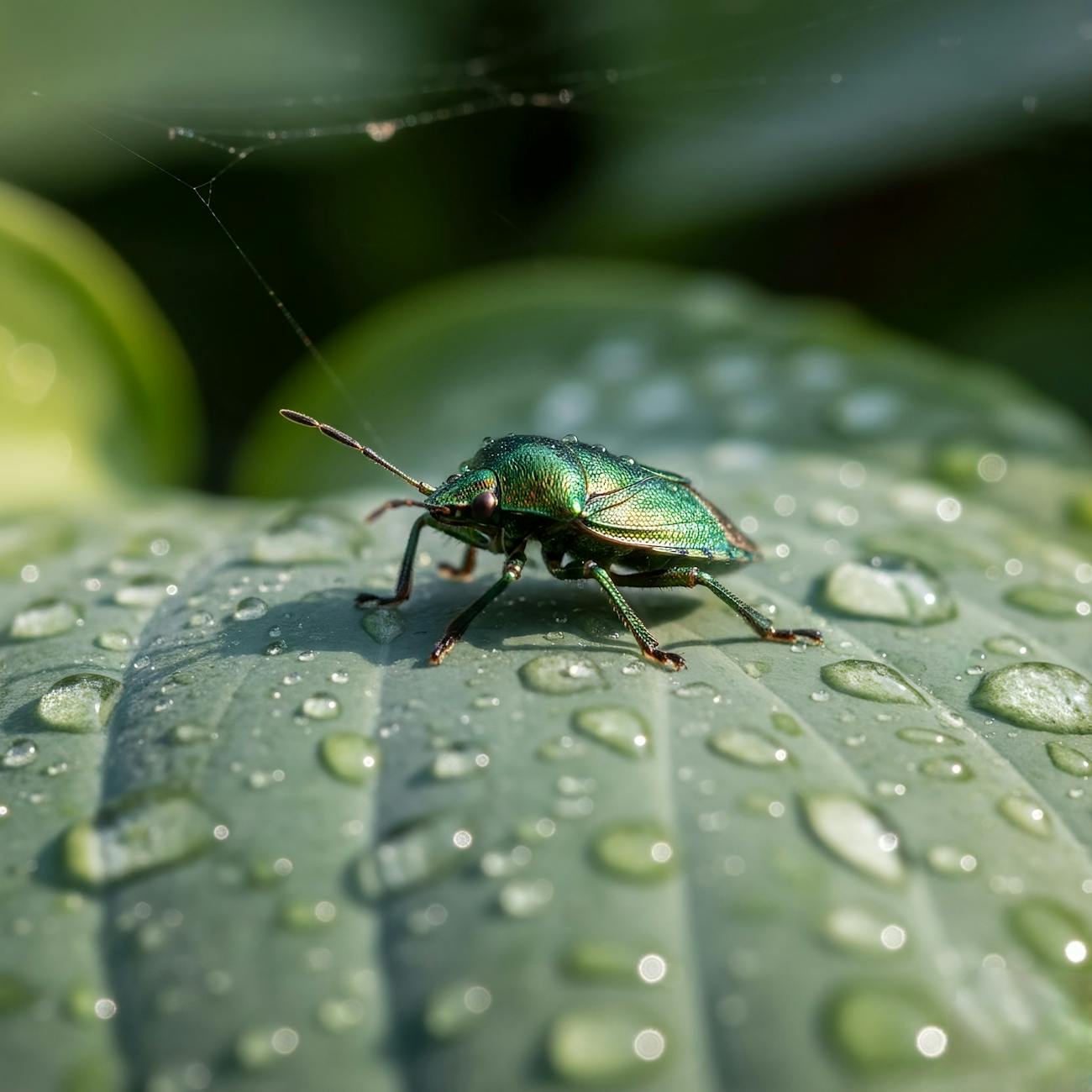
Biological control of plant diseases refers to the use of living organisms to control or suppress the growth of plant pathogens, reducing the incidence and severity of plant diseases. This approach is considered a more environmentally friendly alternative to chemical pesticides, as it promotes the use of natural predators and parasites to regulate pathogen populations.
The concept of biological control is based on the principle of balance, where the introduction of a natural enemy can disrupt the life cycle of a pathogen, preventing it from causing significant damage to plants. There are several types of biological control agents, including bacteria, fungi, nematodes, and insects, each with its own unique characteristics and modes of action.
One of the most common types of biological control agents is Trichoderma, a genus of fungi that is known for its ability to parasitize other fungi, including plant pathogens. Trichoderma species can be used to control a wide range of plant diseases, including root rot and leaf spot. These fungi work by competeting with plant pathogens for resources such as nutrients and space, thereby reducing the pathogen's ability to infect plants.
Another type of biological control agent is Bacillus, a genus of bacteria that is known for its ability to produce antibiotics and other compounds that can inhibit the growth of plant pathogens. Bacillus species can be used to control a wide range of plant diseases, including bacterial blight and fungus diseases. These bacteria work by colonizing the surface of plants, where they can outcompete plant pathogens for resources and produce compounds that can inhibit pathogen growth.
In addition to microorganisms, insects can also be used as biological control agents. For example, lady beetles and lacewings are known to prey on aphids and other insects that can transmit plant diseases. These insects work by feeding on plant pathogens, reducing their populations and preventing them from infecting plants.
Biological control can be applied in various ways, including inoculation of plants with biological control agents, soil amendment with microorganisms, and release of insects that prey on plant pathogens. The choice of application method depends on the type of biological control agent being used, as well as the specific plant disease being targeted.
One of the advantages of biological control is its potential to be more targeted and specific than chemical pesticides. Biological control agents can be designed to target specific plant pathogens, reducing the risk of non-target effects on beneficial organisms. Additionally, biological control agents can be more cost-effective than chemical pesticides, as they can be produced and applied at a lower cost.
However, biological control also has its own set of challenges and limitations. One of the main challenges is the potential for unintended consequences, such as the introduction of non-native species that can outcompete native species or disrupt ecosystem balance. Additionally, biological control agents can be affected by environmental factors, such as temperature and humidity, which can impact their efficacy.
Despite these challenges, biological control remains a promising approach for managing plant diseases. By combining biological control with other methods, such as resistance breeding and cultural practices, farmers and gardeners can reduce their reliance on chemical pesticides and promote more sustainable and environmentally friendly agricultural practices.
In terms of practical applications, biological control can be used in a variety of settings, including agriculture, horticulture, and forestry. For example, biological control agents can be used to control soil-borne pathogens in agricultural fields, or to manage insect vectors of plant diseases in greenhouses. Biological control can also be used to promote soil health and plant growth, by introducing microorganisms that can fix nitrogen or solubilize phosphorus.
The use of biological control agents can also be integrated with other methods of disease management, such as chemical control and cultural practices. For example, biological control agents can be used in combination with chemical pesticides to reduce the amount of chemicals needed to control plant diseases. Additionally, biological control agents can be used to enhance the efficacy of cultural practices, such as sanitation and pruning, by reducing the population of plant pathogens.
In terms of future directions, there are several areas of research that are likely to impact the development and use of biological control agents. One area is the use of genetic engineering to develop biological control agents with improved efficacy or broadened host range. Another area is the use of omics technologies to understand the mechanisms of biological control and to identify new biological control agents.
The development of biological control agents also requires a multidisciplinary approach, involving entomologists, plant pathologists, microbiologists, and ecologists. By collaborating and sharing knowledge, researchers and practitioners can develop more effective and sustainable biological control agents, and promote their widespread adoption in agriculture and other settings.
In addition to the development of new biological control agents, there is also a need for education and outreach to promote the use of biological control among farmers, gardeners, and other stakeholders. This can involve training programs and workshops to teach people about the principles and practices of biological control, as well as the benefits and challenges associated with its use.
The use of biological control agents can also be influenced by policy and regulatory frameworks. For example, governments can establish regulations to govern the use of biological control agents, and provide
In terms of case studies, there are several examples of successful biological control programs that have been implemented around the world. For example, the use of Trichoderma to control root rot in coffee plants has been shown to be highly effective in reducing disease incidence and improving plant growth. Similarly, the use of Bacillus to control bacterial blight in rice has been shown to be a cost-effective and environmentally friendly alternative to chemical pesticides.
The use of biological control agents can also be integrated with other approaches to disease management, such as integrated pest management (IPM) and organic farming. For example, biological control agents can be used in combination with cultural practices such as crop rotation and sanitation to reduce the population of plant pathogens. Additionally, biological control agents can be used to enhance the efficacy of organic pesticides and other alternative methods of disease control.
In terms of examples, there are several biological control agents that have been developed and used to control plant diseases. For example, Beauveria bassiana is a fungus that has been used to control insect vectors of plant diseases, such as whiteflies and aphids. Similarly, Pseudomonas fluorescens is a bacterium that has been used to control soil-borne pathogens, such as Pythium and Phytophthora.
The development and use of biological control agents can also be influenced by biotechnology and other emerging technologies. For example, genetic engineering can be used to develop biological control agents with improved efficacy or broadened host range. Additionally, omics technologies can be used to understand the mechanisms of biological control and to identify new biological control agents.
The use of biological control agents can also be monitored and evaluated to determine their efficacy and impact on plant diseases. For example, field trials can be conducted to evaluate the efficacy of biological control agents in reducing disease incidence and improving plant growth. Additionally, laboratory tests can be conducted to evaluate the mechanisms of biological control and to identify potential risks or limitations associated with their use.
In terms of best practices, there are several guidelines and recommendations that can be followed to ensure the safe and effective use of biological control agents. For example, biological control agents should be handled and applied in accordance with the manufacturer's instructions, and precautions should be taken to avoid exposure to non-target organisms. Additionally, biological control agents should be monitored and evaluated regularly to determine their efficacy and impact on plant diseases.
The development and use of biological control agents can also be influenced by social and economic factors. For example, the cost of biological control agents can be a barrier to their adoption, particularly for small-scale farmers or resource-poor communities. Additionally, the availability of biological control agents can be limited in certain regions or countries, which can impact their widespread adoption.
In terms of research gaps, there are several areas where further research is needed to improve our understanding of biological control and to develop more effective biological control agents. For example, there is a need for more research on the mechanisms of biological control, as well as the interactions between biological control agents and non-target organisms. Additionally, there is a need for more research on the integration of biological control with other approaches to disease management, such as integrated pest management and organic farming.
The use of biological control agents can also be influenced by climate change and other environmental factors. For example, changes in temperature and precipitation patterns can impact the efficacy of biological control agents, as well as the population dynamics of plant pathogens. Additionally, climate change can lead to the emergence of new plant diseases, which can require the development of new biological control agents or strategies.
In terms of policy implications, there are several ways that governments and other stakeholders can promote the use of biological control agents. Additionally, governments can support research and development of new biological control agents, as well as education and outreach programs to promote their use.
The use of biological control agents can also be integrated with other approaches to disease management, such as integrated pest management and organic farming.
In terms of future prospects, the use of biological control agents is likely to continue to grow and evolve in the coming years. For example, advances in biotechnology and other emerging technologies are likely to lead to the development of new biological control agents with improved efficacy or broadened host range. Additionally, the increasing recognition of the importance of sustainable and environmentally friendly agricultural practices is likely to lead to greater adoption of biological control agents by farmers and gardeners around the world.
Key takeaways
- This approach is considered a more environmentally friendly alternative to chemical pesticides, as it promotes the use of natural predators and parasites to regulate pathogen populations.
- The concept of biological control is based on the principle of balance, where the introduction of a natural enemy can disrupt the life cycle of a pathogen, preventing it from causing significant damage to plants.
- One of the most common types of biological control agents is Trichoderma, a genus of fungi that is known for its ability to parasitize other fungi, including plant pathogens.
- Another type of biological control agent is Bacillus, a genus of bacteria that is known for its ability to produce antibiotics and other compounds that can inhibit the growth of plant pathogens.
- For example, lady beetles and lacewings are known to prey on aphids and other insects that can transmit plant diseases.
- Biological control can be applied in various ways, including inoculation of plants with biological control agents, soil amendment with microorganisms, and release of insects that prey on plant pathogens.
- Additionally, biological control agents can be more cost-effective than chemical pesticides, as they can be produced and applied at a lower cost.