
Rights of Copyright Owners
Rights of Copyright Owners
Rights of Copyright Owners
Copyright owners hold a bundle of exclusive rights granted by law to control the use and distribution of their creative works. These rights are crucial for protecting the interests of creators and ensuring that they can benefit from their creations. Understanding the rights of copyright owners is essential for anyone involved in the music industry, from artists to managers to lawyers. In this course, we will delve into the key terms and vocabulary related to the rights of copyright owners in the realm of music copyright law.
Exclusive Rights
Copyright owners have the exclusive right to reproduce, distribute, perform, display, and create derivative works based on their original creations. These exclusive rights are the foundation of copyright law and give owners the power to control how their works are used by others. For example, a songwriter has the exclusive right to make copies of their songs, distribute them to the public, perform them in public, and create new versions or adaptations of their songs.
Reproduction Rights
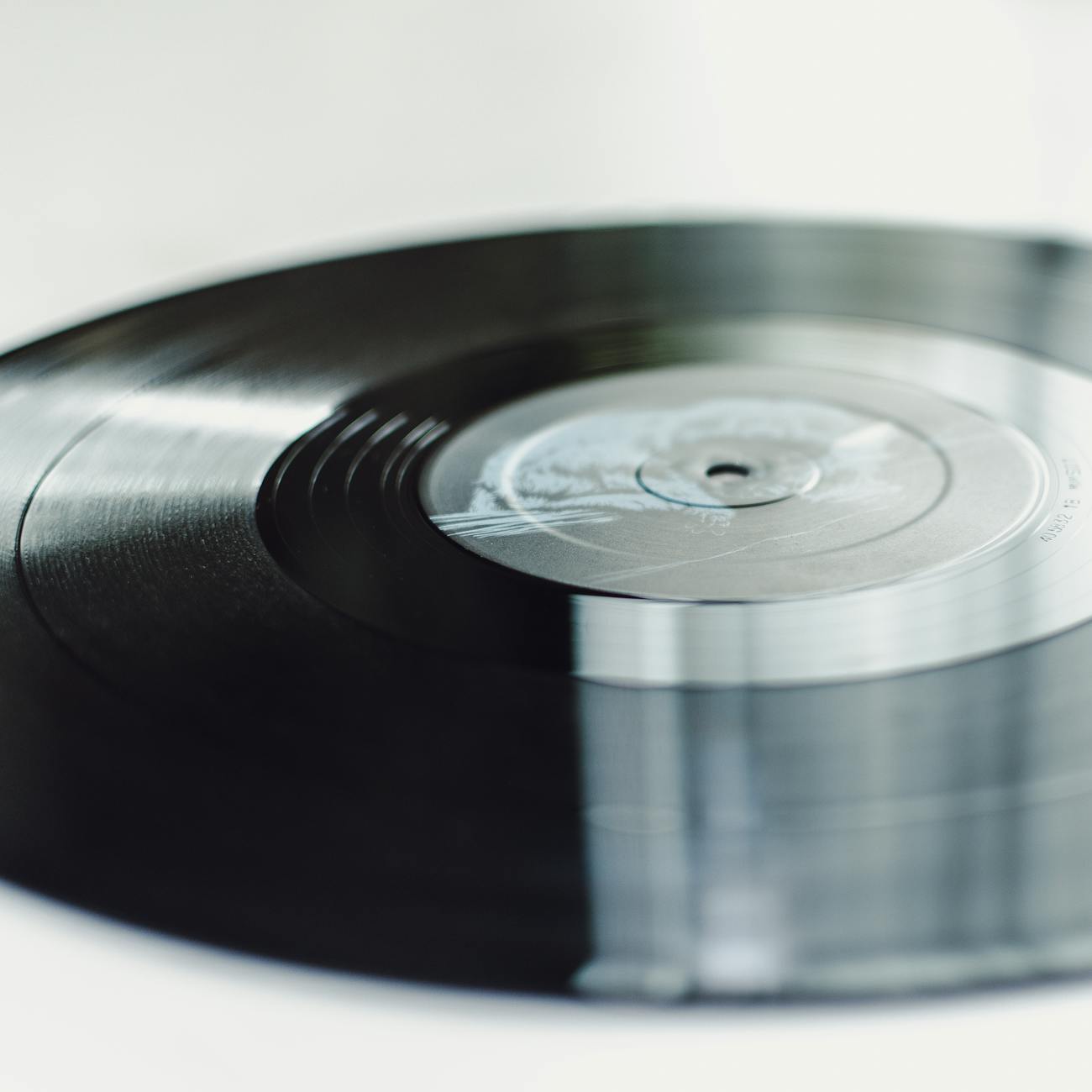
Reproduction rights refer to the right of copyright owners to make copies of their works. This includes making physical copies, such as CDs or vinyl records, as well as digital copies, such as MP3 files or streaming audio. Reproduction rights are essential in the music industry, where artists and labels rely on the sale and distribution of copies of their music to generate income.
Distribution Rights
Distribution rights allow copyright owners to control the distribution of their works to the public. This includes selling physical copies of music, licensing music for use in films or commercials, and making music available for streaming or download on digital platforms. Distribution rights are crucial for ensuring that creators can profit from their works and reach a wide audience.
Public Performance Rights
Public performance rights give copyright owners the exclusive right to perform their works in public. This includes live performances at concerts, music festivals, and other events, as well as the use of music in public places like restaurants, stores, and radio stations. Public performance rights are an important source of revenue for songwriters and publishers, who earn royalties when their music is publicly performed.
Display Rights
Display rights allow copyright owners to display their works in public. While this right is more commonly associated with visual arts, such as paintings or photographs, it also applies to music in certain contexts. For example, displaying lyrics on a screen during a live performance or showing album artwork in a music video would require permission from the copyright owner.
Derivative Works
Copyright owners have the exclusive right to create derivative works based on their original works. A derivative work is a new work that is based on or incorporates elements of a pre-existing work. In the music industry, this can include remixes, cover versions, and sampling of existing songs. Creating a derivative work without permission from the copyright owner is a violation of copyright law.
Performance Rights Organizations (PROs)
Performance rights organizations are entities that collect royalties on behalf of songwriters and publishers for the public performance of their music. PROs monitor public performances of music, collect licensing fees from venues and broadcasters, and distribute royalties to the creators. Examples of PROs include ASCAP, BMI, and SESAC in the United States.
Mechanical Rights Organizations
Mechanical rights organizations administer the reproduction rights of copyright owners for the creation of physical and digital copies of music. These organizations issue licenses to record labels, streaming services, and other entities that wish to reproduce copyrighted music. Mechanical rights organizations play a crucial role in ensuring that copyright owners are compensated for the reproduction of their works.
Synchronization Rights
Synchronization rights allow copyright owners to synchronize their music with visual media, such as films, TV shows, commercials, and video games. This includes using music as background music, theme music, or in music videos. Synchronization rights are typically negotiated on a case-by-case basis and can be a lucrative source of income for copyright owners.
Performance Licenses
Performance licenses are agreements that grant permission to publicly perform copyrighted music. These licenses are typically obtained from PROs or directly from the copyright owner and are necessary for venues, broadcasters, and other entities that wish to play music in public. Failure to obtain a performance license can result in legal consequences for the infringing party.
Master Use Licenses
Master use licenses are agreements that grant permission to use a specific recording of a song. These licenses are typically obtained from record labels or the owner of the master recording and are necessary for using copyrighted music in audiovisual projects, such as films, TV shows, and commercials. Master use licenses are separate from synchronization licenses and must be negotiated separately.
Compulsory Licenses
Compulsory licenses are licenses that allow anyone to use a copyrighted work without the permission of the copyright owner. In the music industry, compulsory licenses are commonly used for the reproduction and distribution of cover versions of songs. The user must pay a statutory royalty rate set by law in exchange for the right to use the copyrighted work under a compulsory license.
Fair Use
Fair use is a legal doctrine that allows the limited use of copyrighted works without the permission of the copyright owner for purposes such as criticism, comment, news reporting, teaching, scholarship, or research. Fair use is a defense against claims of copyright infringement and is determined on a case-by-case basis by considering factors such as the purpose of the use, the nature of the copyrighted work, the amount used, and the effect on the market for the original work.
Public Domain
The public domain refers to works that are not protected by copyright and are free for anyone to use without permission. Works enter the public domain when their copyright expires, the copyright owner waives their rights, or the work does not meet the requirements for copyright protection. Public domain works can be freely used, copied, and distributed by anyone without restrictions.
Moral Rights
Moral rights are rights that protect the integrity and reputation of creators by giving them control over how their works are used and attributed. Moral rights include the right to be identified as the author of a work (attribution), the right to object to derogatory treatment of a work (integrity), and the right to prevent the use of a work in a way that might harm the creator's reputation (false attribution). Moral rights are separate from economic rights and are recognized in many countries around the world.
Termination Rights
Termination rights allow creators to reclaim their copyrights after a certain period of time, typically 35-40 years after the grant of the copyright. This gives creators the opportunity to renegotiate their agreements with publishers, record labels, or other rights holders and regain control over their works. Termination rights are an important protection for creators who may have signed away their rights early in their careers.
Challenges in Enforcing Copyright
Enforcing copyright can be challenging due to the global nature of the music industry, the ease of digital copying and distribution, and the prevalence of infringement online. Copyright owners must be vigilant in monitoring the use of their works, issuing takedown notices for infringing content, and pursuing legal action against infringers. Despite these challenges, copyright owners have a legal right to protect their works and should take steps to enforce their rights to prevent unauthorized use and ensure fair compensation for their creations.
Conclusion
Understanding the rights of copyright owners is essential for navigating the complex landscape of music copyright law. By knowing the key terms and vocabulary related to copyright ownership, creators, industry professionals, and legal practitioners can protect their works, negotiate agreements, and enforce their rights effectively. Copyright owners play a vital role in the music industry by creating, promoting, and monetizing original works, and it is important to respect and uphold their rights to encourage creativity and innovation in the field of music.
Key takeaways
- In this course, we will delve into the key terms and vocabulary related to the rights of copyright owners in the realm of music copyright law.
- For example, a songwriter has the exclusive right to make copies of their songs, distribute them to the public, perform them in public, and create new versions or adaptations of their songs.
- Reproduction rights are essential in the music industry, where artists and labels rely on the sale and distribution of copies of their music to generate income.
- This includes selling physical copies of music, licensing music for use in films or commercials, and making music available for streaming or download on digital platforms.
- This includes live performances at concerts, music festivals, and other events, as well as the use of music in public places like restaurants, stores, and radio stations.
- For example, displaying lyrics on a screen during a live performance or showing album artwork in a music video would require permission from the copyright owner.
- Creating a derivative work without permission from the copyright owner is a violation of copyright law.